Sensors for SpO2, ECG, OHR, and skin temperature have been added to the Vantage V3. While the 65-hour multi-band GPS claim is impressive, our field tests showed a roughly 45-hour runtime in full-sun, out-of-the-box settings. For most weekend warriors and mountain athletes, this remains ample longevity. Despite minor software quirks like the lack of heart rate broadcasting, the Vertical 2 stands out as a refined, professional-grade tool for those https://madmuscles-review.com/workout-apps/madmuscles-best-workout-app/ who want world-class mapping. One of the most practical additions is the dedicated, forward-facing LED flashlight.
How We Tested the Best Fitness Watches
The Vivosmart 5 has a battery life of up to 7 days and is water-resistant up to 164 ft (50 m). For people with heart or lung conditions, measuring oxygen saturation regularly serves as an early warning system. If your levels are dropping, you can take steps to correct the situation or seek medical attention before it becomes too severe. We’re integrating over 30 years of operational expertise with the most advanced AI technology in the industry.
Best Budget Fitness Watch
Additionally, Thorp found the charging cord a bit short and keeps these USB-C charger extension cords on hand to charge his Garmin. At this cost, you’d expect a simple appearance, no touchscreen, and limited functionality. However, the Google Pixel Watch 4 has a beautiful, easy-to-navigate touchscreen, a smooth design, and almost all the metrics you’d get on a more high-end device. The fresh funding will go toward expanding its predictive AI features, like meal scoring, where a user’s data is used to warn them about whether a specific food could spike their glucose levels before they eat it. Pretty much all fitness watches that include GPS, even without full navigational capabilities, include a compass. This allows for back-to-start navigation and basic orientation without service.
Placebo Effect Neuroscience Shows How Expectation and Endorphins Influence the Brain Body Connection
Most wearables require frequent charging, making them inconvenient for sustained periods of use. Smartwatches and VR headsets often have limited battery life, which can hinder usability. Research into energy-harvesting wearables aims to address this issue, but practical solutions remain limited. Instead of paying for a heart rate monitor outright, you purchase a subscription and a flat fee for the apparel of your choice to house the monitor. The membership ranges from $199 to $359 per year, depending on your needs, goals, and budgets.
- That said, the battery life on the COROS when running single-band GPS is 75 hours, and while the 32 hours the Garmin can manage is decent, it’s the reason we think the Apex 2 Pro is a slightly better mid-tier watch.
- It is one of the more comfortable fitness trackers we’ve worn—the strap has a soft back, is woven with microfilament yarn, and can also be easily adjusted.
- In the 15th century, timepieces were created — some of which were small enough to be worn — but it was not until the 1960s that companies developed modern wearable technology.
- AI is also being incorporated into wearables to help patients monitor their health and get diagnoses.
- The Oura ring does not detect sleep apnea, nor is it FDA-approved to do so.
- These combined advancements mean your watch will last longer on a single charge, even during intensive use.
Benefits of monitoring your heart rate
However, concerns surrounding privacy, affordability, reliability and ethical implications highlight the challenges that must be addressed as wearables continue to shape the future. As AI, IoT and battery innovations improve, wearables will become more efficient, secure and accessible for everyday use. Research increasingly validates digital mental health interventions through empirical evidence. Mental wellness professionals recognize app-based platforms as emerging tools for psychological support, with specific apps demonstrating measurable therapeutic potential. The Ultra 3 offers all the typical metrics of the older Apple Watch models—activity rings, over 60 workout modes, blood oxygen, ECG, etc.
What fitness apps work best with Apple Watch?
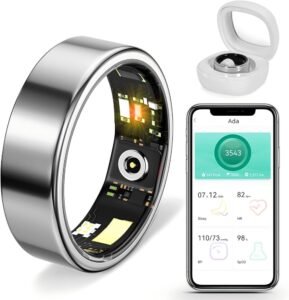
Nightly oxygen and sleep patterns are monitored, sleep debt is tracked, and bedtime/nap alerts help you wake up refreshed and energized. Combining cutting-edge sensor technology with AI algorithms, CIRCUL brings professional-grade precision monitoring to your fingertip. Doctors, researchers, patients, and consumers are trying to figure out where that line should be. People are increasingly outsourcing their relationships with their own bodies to the algorithm. Consumer wellness tech is generating mounds of quasi-medical data without the systems or expertise to interpret it. KardiaMobile by AliveCor remains a top choice for portable electrocardiogram (ECG) monitoring.
The Garmin Instinct 3 AMOLED ($500) is an update on a previous favorite of our team, and it’s only better now. Newly optioned in a beautiful AMOLED screen, the Instinct 3 is still just as get-er-done as the previous version — it just looks even better now. The big question is whether to go with the vibrant AMOLED screen or the solar-charging MIP option. For one, the trade-off in recharging is too great to ignore for extended trips outside. Second, the MIP screen will be a more efficient option, even without the added solar cells.

The Future of Smartwatches: Bigger Screens, Advanced Sensors, and Smarter Health Tracking
To be sure, people aren’t turning to all of these trackers and AI analyses in a vacuum. They’re emerging because preventive care feels inadequate and inaccessible, healthcare is fragmented, and patients feel unheard. Consumer tech is eagerly but haphazardly filling in the medical system’s many gaps. The KardiaMobile 6L offers a 6-lead ECG, providing more detailed heart data than the original model. This medical device can detect atrial fibrillation (AFib), bradycardia, tachycardia, and other arrhythmias in just 30 seconds. It connects to your smartphone via Bluetooth and generates shareable reports.
Entertainment and immersive experiences
The redesigned Health app will likely analyze sleep patterns, workout performance and medical trends, delivering actionable recommendations tailored to your lifestyle. These advancements aim to provide a more comprehensive view of your wellness, making the watch an indispensable tool for health-conscious individuals. By integrating these features seamlessly, Apple continues to push the boundaries of what wearable technology can achieve in the realm of personal health.
Apple Fitness+
They’re not diagnostic tools, but they can encourage timely medical checkups and preventive care. Step counts, active minutes, and workout recognition can keep you motivated and moving. For deeper health insights, health wearable features like blood oxygen (SpO₂) monitoring and ECG sensors help flag potential respiratory or cardiovascular issues. There is no question, taking health into our own hands is now more accessible than ever and, likely, this will only be the beginning. Users now have the tools to prevent and tackle health issues even before they happen.
Sensors
Hayes says she started checking it “pretty religiously” to gauge whether she could handle a workout or weekend concert. If her battery was low, “that was usually a good predictor of how I’d feel at the end of the day,” she says. In addition to wearable and prescription-based monitors, many seniors also benefit from at-home blood pressure monitors, which can support overall cardiovascular management when used consistently. Wearable technology has also sparked concerns about mental health and social interactions.